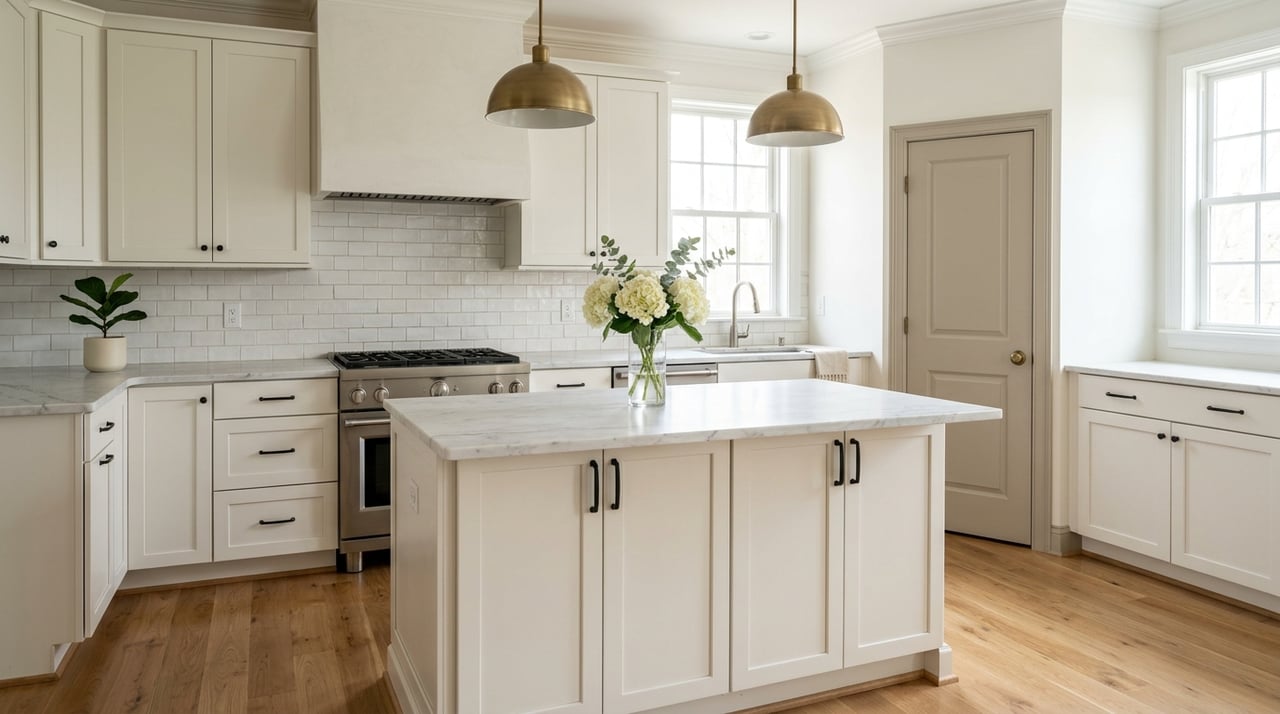
Preparing To List Your Walpole Home With Confidence
June 18, 2026
June 18, 2026
If you are thinking about selling your Walpole home, the biggest mistake is rushing to market before the details are ready. In a town where homes can go pending in about 15 days, buyers move fast, compare carefully, and notice when a home feels overpriced or unfinished. The good news is that with the right preparation, you can launch with more confidence, fewer surprises, and a stronger plan. Let’s dive in.
Walpole’s recent housing snapshots point to an active market, but not one where every home can ignore strategy. Recent data shows a median listing price of $855,000, about 15 median days on market, and homes selling at or above list price in many cases.
At the same time, nearly a quarter of homes had price drops in one recent market snapshot. That is an important signal for sellers. Buyers are responding quickly to homes that look well prepared and well priced, but they are also passing over listings that miss the mark.
Before you think about photos or showings, walk through your home with fresh eyes. A practical first step is to sort issues into three groups: must-fix, should-fix, and optional updates.
Must-fix items are the ones most likely to affect buyer confidence, inspections, or timing. These can include obvious leaks, damaged flooring, broken fixtures, or anything that suggests deferred maintenance. Buyers tend to look closely at mechanical and structural items, not just surface appearance.
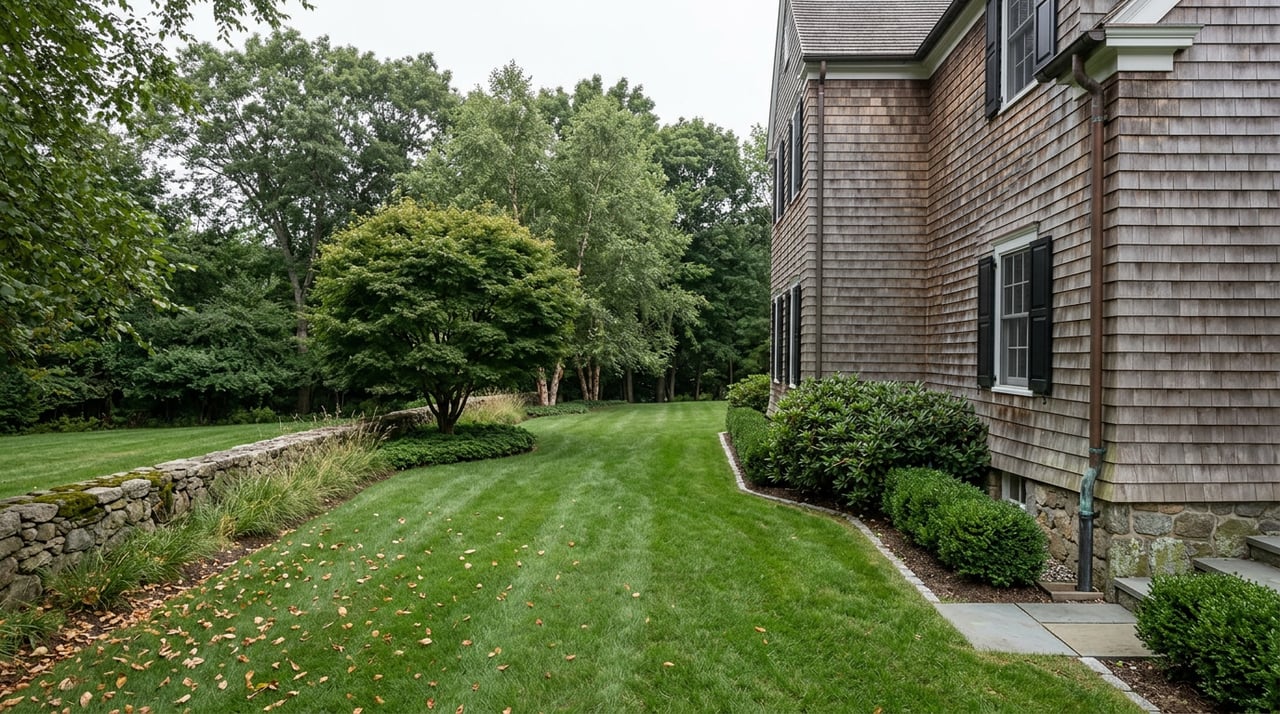
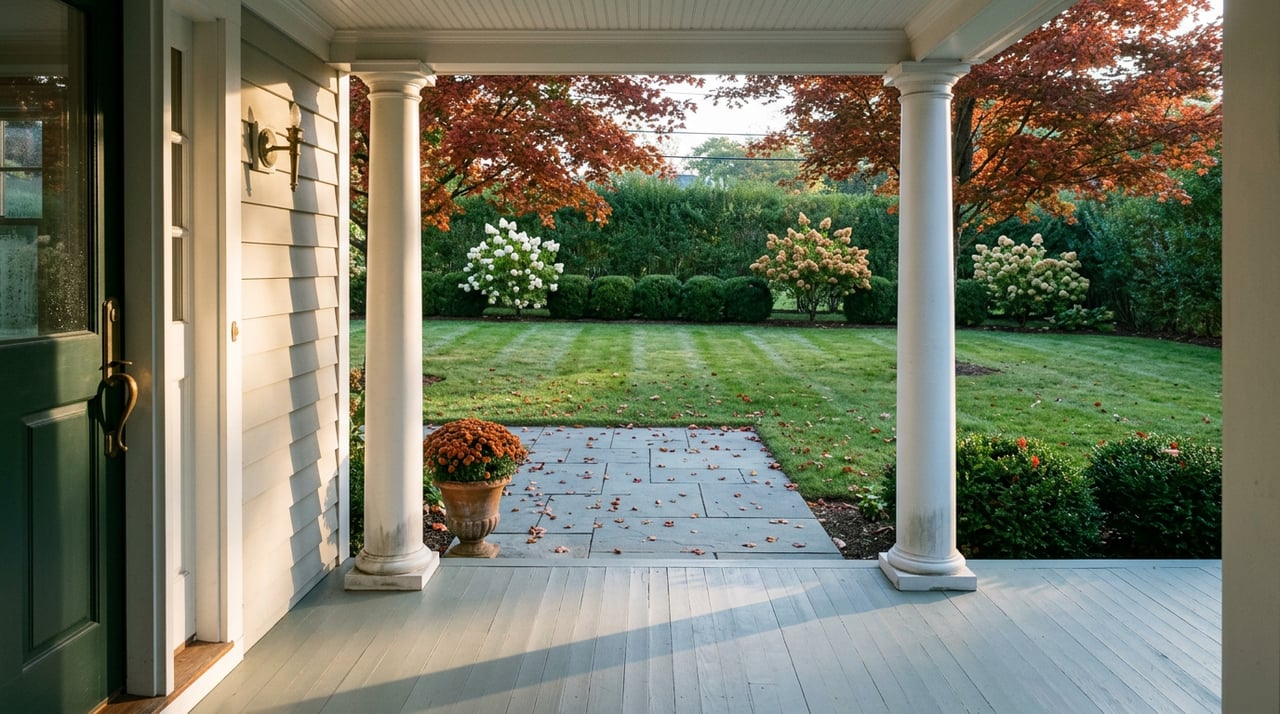
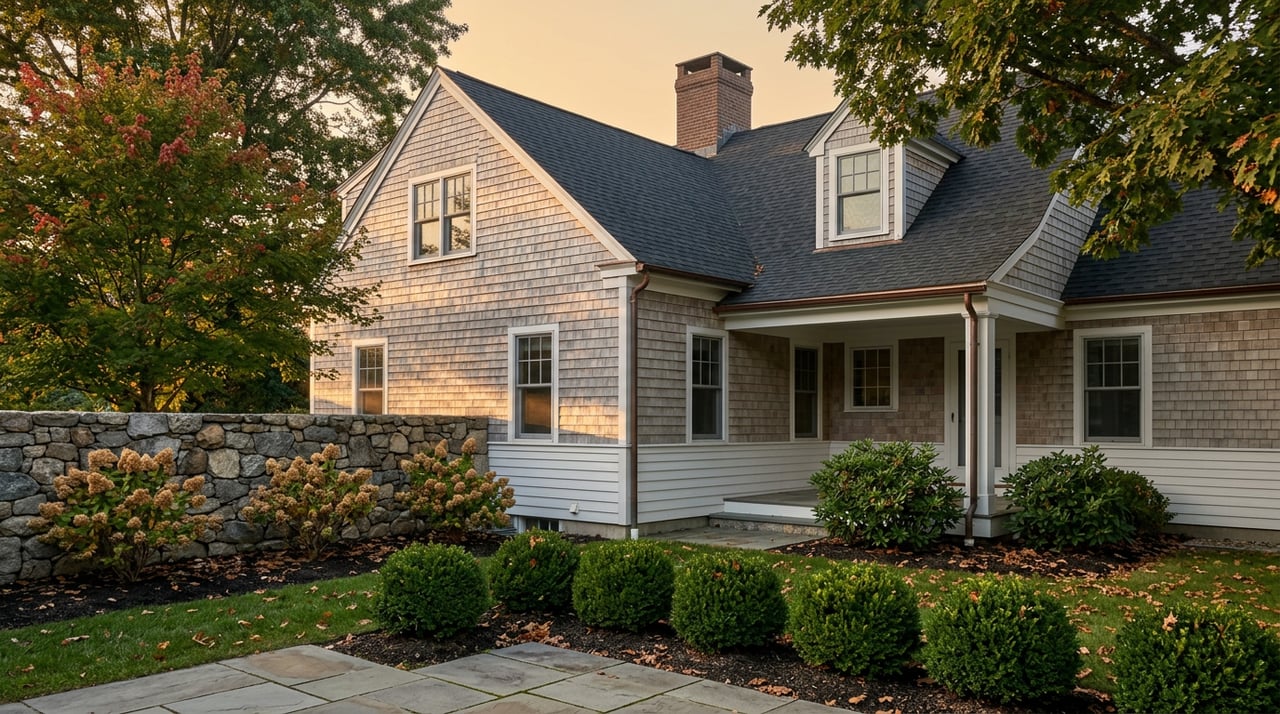
Should-fix items are usually smaller improvements that help your home show better. Think touch-up paint, updated light fixtures, fresh mulch, or minor hardware replacements. In Walpole, guidance points to minor cosmetic updates like paint, fixtures, and landscaping as more likely to pay off than major renovations.
Optional updates are the nice-to-have projects that may improve style but are not essential before launch. If a project is expensive, time-consuming, or likely to require approvals, it is worth weighing whether it truly supports your sale timeline.
When you are preparing to list, not every dollar should go into a renovation. In many cases, simple repairs and presentation improvements create a better return than taking on a large remodel right before you sell.
A smart prep plan often includes:
If you hire contractors for pre-listing work, timing and paperwork matter. In Massachusetts, home improvement contracts over $1,000 must be in writing, and work on an existing owner-occupied 1 to 4 unit home generally must be done by a registered Home Improvement Contractor.
That means it is wise to get clear written scopes, confirm who is doing the work, and build in enough time before your listing date. A rushed repair schedule can create stress right when you want your home to feel market-ready.
In Walpole, pre-listing work can sometimes involve more than just hiring a contractor. The town’s Building Department makes permits available online and recommends contacting staff first when the scope of work is unclear.
Some projects may also require review by Planning, Zoning, Conservation, or other local boards. Even a smaller job can affect your timeline if approvals are needed before work can begin.
If your home is older, this becomes even more important. Walpole’s Historical Commission oversees the town’s demolition-delay bylaw, and structures more than 100 years old can be subject to delay if demolition is proposed. If your prep plans involve significant exterior or structural change, it is important to know whether extra review could apply.
Massachusetts handles seller disclosures a little differently than some other states. There is not one universal seller-disclosure form used for typical owner-occupied residential sales, so preparation is less about filling out a standard form and more about making sure the process is handled correctly.
There are still important rules to know. Sellers and agents must provide the home-inspection disclosure at or before the first purchase contract, and sellers generally cannot make acceptance of an offer dependent on a buyer waiving inspection rights.
This matters because buyers will still evaluate the home carefully, especially the accessible major systems and visible components reviewed during an inspection. If you address likely concerns before listing, you can reduce the chance of last-minute friction during negotiation.
If your Walpole home was built before 1978, lead paint should be a separate part of your listing preparation. Massachusetts requires property-transfer lead-paint notification for homes in that age range.
The state also provides a lead-history database that sellers can review before marketing the property. Gathering that information early can help you stay organized and avoid delays once your home is on the market.
For many buyers, clear documentation supports peace of mind. It also helps your sale stay on track when timelines are moving quickly.
One of the most effective things you can do before listing has nothing to do with luxury upgrades. It is decluttering.
National staging research shows that staging can help reduce time on market and make it easier for buyers to picture the home as their future home. The same research points to decluttering, whole-home cleaning, and curb appeal as top priorities.
That is why the best prep sequence is usually simple:
This order matters. If you stage before decluttering or photograph before cleaning, the final result rarely looks as polished as it could.
You do not always need to stage every room to make a strong impression. The rooms most commonly staged are the living room, primary bedroom, dining room, and kitchen.
These spaces often shape a buyer’s overall impression of the home. When they feel clean, open, and well balanced, the whole property tends to feel more move-in ready.
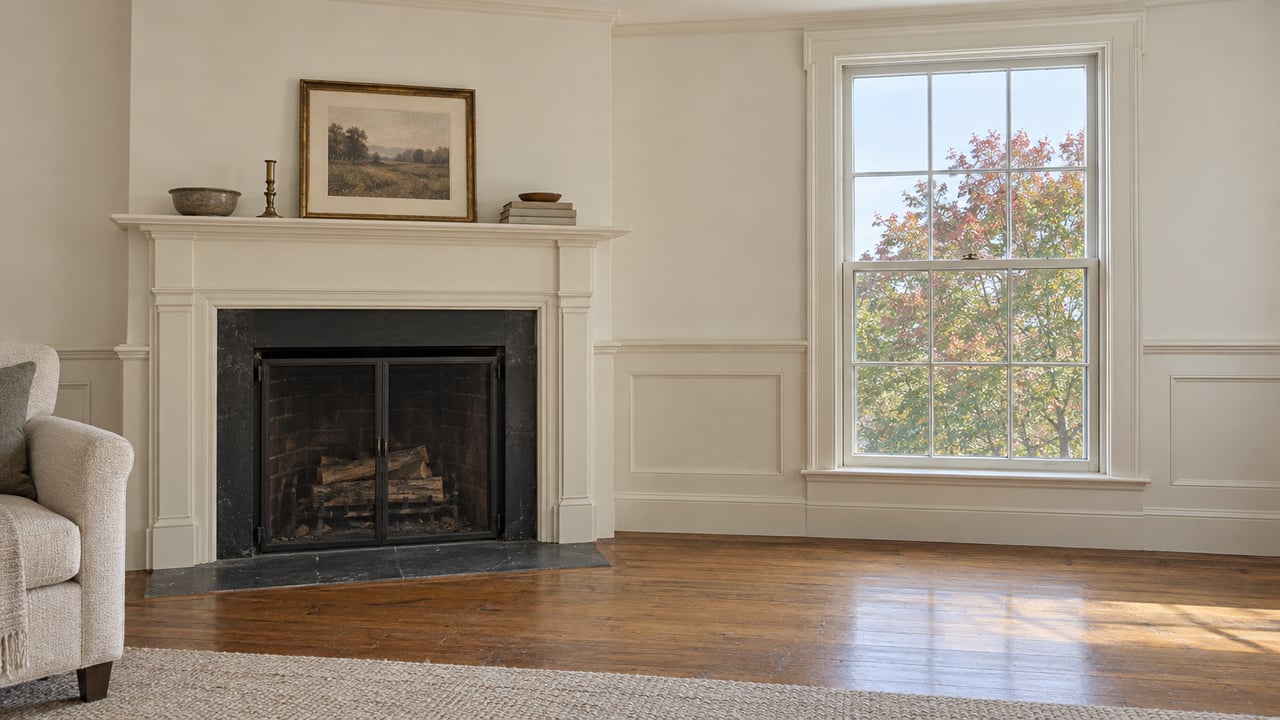
Staging can be simple and thoughtful. You may need to remove extra furniture, create better flow, add lighter bedding, simplify decor, or reset surfaces so the home feels bright and calm instead of crowded.
In today’s market, buyers often see your photos before they ever schedule a showing. Listing media is one of the most important parts of your launch, and photos are consistently rated as the most important element.
Before photography day, focus on details that make a big visual difference:
Your goal is not to make your house feel empty. Your goal is to make it feel spacious, cared for, and easy to imagine living in.
Once your home is live, showing readiness becomes part of the job. A home that photographs beautifully should feel just as appealing in person.
Before each showing, simple steps can help keep that experience consistent. Clear surfaces, neutralize odors, secure valuables, and take pets with you if possible. Buyers often form their impressions quickly, so small details can have an outsized effect.
It also helps to think ahead about your daily routine. If your showing plan works with your schedule from the start, the listing period usually feels less disruptive.
Pricing is one of the most important decisions you will make. In Walpole, recent market data shows strong sale-to-list performance and fast pending timelines, but it also shows that price drops are happening.
That combination usually means buyers are willing to act quickly when a home is priced in line with comparable sales, current market conditions, and the home’s condition. It does not mean every number will work.
A strong price should attract attention early, support showing activity, and reduce the risk of sitting while newer listings come on. Emotional pricing can cost time, leverage, and momentum.
In a fast-moving market, it is tempting to list as soon as possible. But speed works best when the launch is complete.
That means your repairs are done, your pricing is set, your photos are ready, and your showing plan is realistic. If one piece is missing, the listing can lose impact right when buyer attention is highest.
A calm, coordinated launch often creates better results than a rushed debut. Preparation gives you the best chance to make a strong first impression and respond confidently once interest builds.
Preparing to list in Walpole is not only about design choices and cleaning checklists. It can also involve inspection planning, lead-paint documentation for older homes, pricing analysis, and keeping track of local permit or review timelines.
That is where experienced guidance matters. You want a process that feels organized, informed, and steady from the first conversation through the final steps before market.
With a strategic plan, polished presentation, and pricing discipline, you can bring your Walpole home to market with clarity and confidence. If you are getting ready to sell and want calm, hands-on guidance, connect with Kiky Papadopoulos.
Stay up to date on the latest real estate trends.
Get assistance in determining current property value, crafting a competitive offer, writing and negotiating a contract, and much more. Contact Kiky today to discuss all your real estate needs!