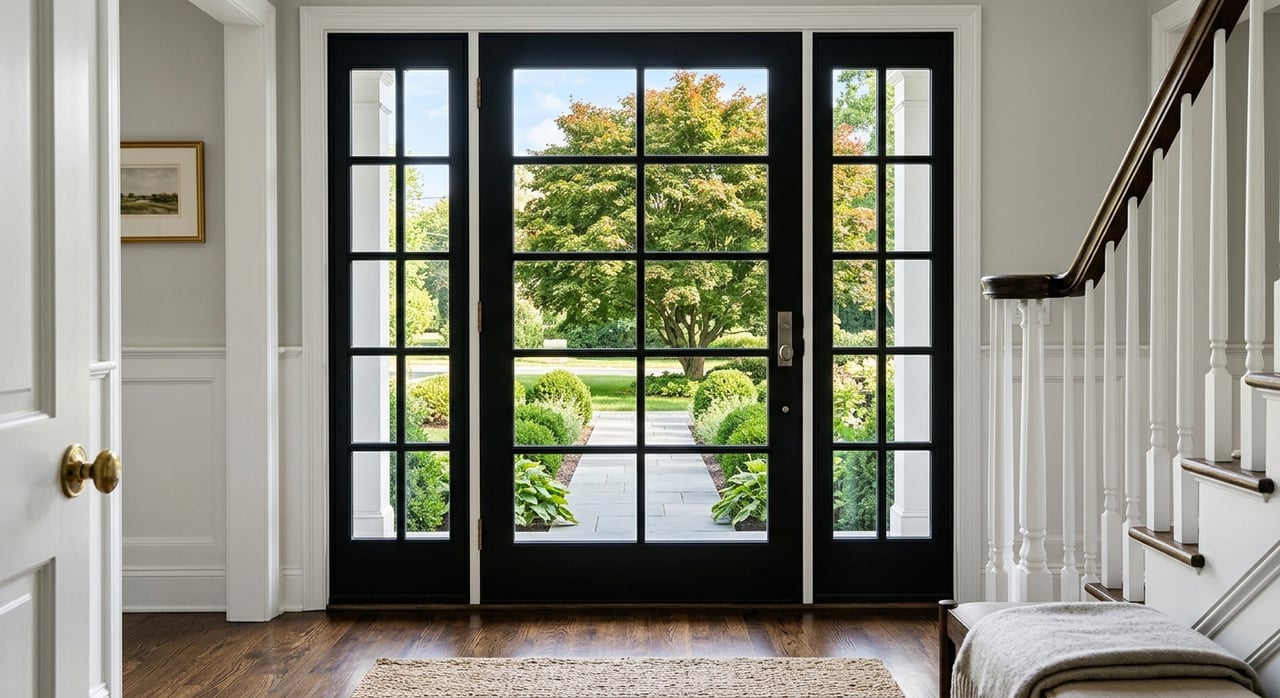
Walpole vs Nearby Suburbs: Price, Commute, and Feel
May 21, 2026
May 21, 2026
Trying to choose between Walpole and nearby Boston suburbs? If you are comparing price, commute, and overall feel, the differences can matter more than you think. A town that looks similar on a map can offer a very different daily routine, housing mix, and budget reality. This guide breaks down how Walpole compares with Westwood, Sharon, and Norwood so you can make a more confident move. Let’s dive in.
Walpole sits in a useful middle position among nearby Norfolk County suburbs. Based on Census QuickFacts owner-occupied home value estimates, Walpole is priced below Sharon and far below Westwood, while landing slightly above Norwood. That makes it a strong option if you want a suburban setting without reaching for the highest price point in this group.
It also offers a balanced housing profile. Walpole is still mostly made up of detached single-family homes, but it has more variety than Sharon or Westwood. At the same time, it feels less mixed and less transit-heavy than Norwood.
If budget is one of your biggest filters, these four towns fall into a clear order.
| Town | Median owner-occupied home value |
|---|---|
| Westwood | $1,041,500 |
| Sharon | $737,100 |
| Walpole | $687,100 |
| Norwood | $651,700 |
Walpole’s estimated value is about 6.8 percent below Sharon and 51.6 percent below Westwood. It is only about 5.4 percent above Norwood. In practical terms, that gives Walpole a middle-market position that can appeal to buyers who want to stay price-conscious without moving too far down the suburban spectrum.
Walpole keeps commuting fairly straightforward. The town has one active MBTA commuter rail station on the Franklin Line, and there is bus service downtown. However, that bus service does not directly serve the station platform, and the former Plimptonville station closed in 2021.
For many buyers, one reliable rail option is enough. If you want a simpler setup with commuter rail access to South Station, Walpole may feel practical and easy to understand. If you want multiple transit choices, it is more limited than Westwood or Norwood.
Westwood has the strongest transit and highway access in this comparison. The town highlights two commuter rail lines, MBTA bus service on Routes 1 and 1A, and access at the junction of Routes 95/128 and 93. It also notes that Route 128 is the regional Amtrak stop.
Its mean commute time is 30.2 minutes, which is the shortest in this group alongside Norwood. For buyers focused on transit flexibility and regional access, Westwood stands out.
Norwood offers more transit choices than Walpole in a more commercial setting. The town has three commuter rail stations on the Franklin and Forge Park-495 line, along with MBTA bus routes 34 and 34E. Route 1A also serves as a central corridor for downtown and South Norwood.
Its mean commute time is 30.3 minutes. If your daily routine depends on having multiple station options and bus service, Norwood may offer more convenience.
Sharon is rail-connected, but it comes with a longer average commute. The town identifies Sharon station as serving Boston and Providence, with nearby access to Amtrak at Route 128. It also supports rail parking and local transportation services for seniors and residents with disabilities.
Its mean commute time is 38.6 minutes, which is the longest in this group. That does not make Sharon a poor choice, but it does suggest a clearer tradeoff between setting and commute efficiency.
Walpole remains strongly single-family in character. Town planning data shows 73.1 percent of housing units are in detached single-family buildings. Another 7.6 percent are attached one-unit homes, while smaller shares fall into two-unit, small multifamily, and larger multifamily categories.
That creates a town with a classic suburban identity, but not a one-note housing stock. The master plan describes a mix of traditional village centers, subdivision neighborhoods, and newer multifamily apartment complexes. Walpole also has an owner-occupied housing rate of 83.5 percent, which supports its owner-heavy profile.
Westwood is also predominantly single-family. Its Housing Production Plan reports that 78.4 percent of housing units are single-family dwellings. The town also points to mixed-use and transit-oriented areas around University Station and Route 128.
With an owner-occupied rate of 87.3 percent, Westwood reads as a very owner-focused suburban market. Compared with Walpole, it combines stronger transit access with a higher housing value profile.
Sharon is the most single-family-heavy town in this set. Its housing plan says about 85 percent of the housing stock is single-unit, while multifamily and other housing make up only about 15 percent. Among those non-single-family options, most are in smaller structures.
The owner-occupied rate is 87.7 percent, which is the highest of the four. If you are looking for a more residential, lower-mix housing environment, Sharon is the clearest example in this comparison.
Norwood is the outlier when it comes to housing variety. Detached single-family homes make up 48 percent of housing units, while multifamily buildings with three or more units account for about 35 percent. That is a very different mix from Walpole, Westwood, or Sharon.
Its owner-occupied rate is 54.0 percent, much lower than the others. If you are open to a broader range of housing types and a more mixed-use setting, Norwood offers something distinct.
Walpole is a good fit if you want a middle-ground suburb. You get a mostly single-family setting, commuter rail access, and a home value point below Sharon and well below Westwood. For many buyers, that balance is exactly the appeal.
Walpole can make sense if you value suburban space, owner-occupied surroundings, and a more measured price point. It is not trying to be the busiest transit node or the most mixed-use option in the area.
Westwood may fit best if your priorities include the broadest transit network, highway connectivity, and a higher-end price tier. It offers the strongest transportation infrastructure in this four-town comparison.
That convenience comes with a much higher owner-occupied home value estimate. If your budget supports it and access is a top concern, Westwood deserves a close look.
Sharon may appeal if you want a more open-space-oriented and predominantly single-family environment. It is still rail-connected, but the average commute is longer than the other towns covered here.
For some buyers, that tradeoff is worthwhile. If your focus is more on residential character than on the shortest commute, Sharon may line up with your goals.
Norwood may be the better match if you want lower entry pricing in this group and a wider range of housing types. It also offers more rail stations and bus options than Walpole.
Its setting is more commercial and mixed than the others. That can be a positive if you like a more active, connected day-to-day environment.
When buyers compare Walpole to nearby Boston suburbs, the clearest takeaway is balance. Walpole offers a mostly detached single-family housing base, one straightforward commuter rail connection, and pricing that sits between higher-cost towns like Westwood and slightly lower-cost options like Norwood.
That does not make it the best choice for everyone. It does make it a smart comparison point if you want to weigh cost, commute, and housing style without moving too far toward either extreme. If you want help comparing Walpole with nearby towns through the lens of budget, financing, and long-term fit, Kiky Papadopoulos can help you think through the options with clarity and confidence.
Stay up to date on the latest real estate trends.
Get assistance in determining current property value, crafting a competitive offer, writing and negotiating a contract, and much more. Contact Kiky today to discuss all your real estate needs!