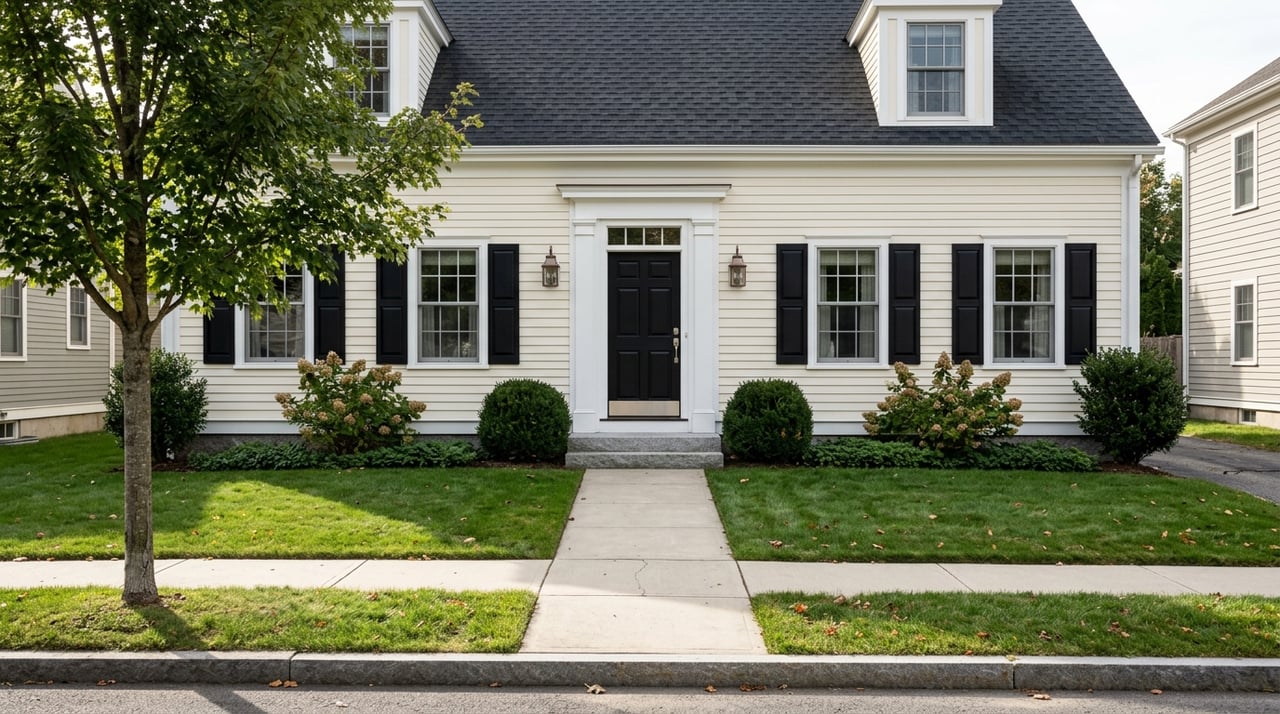
Everyday Living In Walpole’s Town Center
May 7, 2026
May 7, 2026
If you want a downtown lifestyle without giving up the feel of a Norfolk County suburb, Walpole’s town center offers an interesting middle ground. You can run some errands on foot, catch the commuter rail for Boston-bound trips, and enjoy town events centered around shared public spaces. If you are trying to picture what everyday life here really feels like, this guide will walk you through the rhythm of the area. Let’s dive in.
Walpole is about 19 miles south of Boston, and the town describes itself as a growing bedroom community with a stable mix of commercial and industrial land uses. In the downtown study area, the main anchors include Main Street, the Town Common, Town Hall, the library area, and the commuter rail station. These pieces are all positioned within walking distance of the station, which helps shape the center’s daily convenience.
The overall feel is not urban in the way Boston is urban. Instead, it is a suburban main street with a compact core where some daily tasks can be done on foot. That balance is what makes town center living here appealing to many buyers and renters.
Walkability in Walpole’s town center is strongest in the core, and it can vary depending on your exact address. A recent Walk Score listing for a downtown location rates the area at 73 out of 100 and describes it as very walkable. A 2019 downtown study gave Downtown Walpole a 52 and called it somewhat walkable, which shows why your block and route matter.
In practical terms, this means you may be able to leave the car parked for a coffee run, a quick errand, or a trip to the library. At the same time, you should expect a suburban street pattern rather than a fully pedestrian-first environment. The experience is convenient, but it is not the same as living in a dense city neighborhood.
One of the more useful features of Main Street is how parking supports quick stops and multi-stop errands. The downtown layout includes parking lots behind structures as well as on-street parking. That setup helps create a park-once-and-walk routine that many people appreciate in day-to-day life.
This matters if you like efficiency. You can often park, take care of more than one task, and move through the center without needing to reset your whole trip each time.
The town’s downtown plan also points out a few practical issues. The station-to-downtown connection is not always intuitive, some sidewalks and crossings need improvement, and bike facilities were lacking at the time of the study. Those details help explain why the area feels walkable for many needs, but still suburban in how it functions.
If you are considering a home near the center, it helps to think about your own habits. If you want every errand to be easy on foot, your exact location will matter a lot. If you mainly want the option to walk sometimes, town center living may feel like a strong fit.
Downtown Walpole is more than a train stop. A recent state recovery plan describes a walkable core with restaurants, retail stores, and service businesses such as salons, tutoring, a veterinary clinic, and real estate offices. Local downtown business listings also span categories like dining, shopping, services, health, finance, and real estate.
That mix gives the area a practical everyday quality. You are not relying on one or two destinations. Instead, the center supports a range of routine stops that can make life feel more connected and less car-dependent than in a typical spread-out suburb.
For first-time buyers, renters, or anyone who values convenience, this kind of business mix can make a real difference. You may be able to handle smaller tasks close to home and save longer drives for bigger shopping trips or specialized services. That can add a sense of ease to your weekly routine.
For sellers, this is also part of the lifestyle story that can matter when marketing a home near downtown. Buyers are often looking not just at square footage, but at how a location supports their day-to-day life.
One reason Walpole’s town center stands out is its collection of public gathering spaces. The Town Green serves as the downtown open-space centerpiece and hosts summer concerts and the weekly farmers market. Stone Field hosts Town Day and July 4 fireworks, adding to the center’s community rhythm across the year.
These are the kinds of amenities that give a downtown area texture. They create places where daily life and local events overlap, which can make a neighborhood feel more active and connected.
The Walpole Public Library at 143 School Street functions as more than a place to borrow books. The town describes it as a community space, study space, and meeting center. Its current hours are Monday through Thursday from 10:00 a.m. to 9:00 p.m., Friday from 10:00 a.m. to 5:00 p.m., and Saturday from 10:00 a.m. to 3:00 p.m., with Sunday closed.
For many households, a strong library presence adds real value to everyday living. It can be a quiet work spot, a place to study, or simply a dependable public space close to home.
The downtown also connects to walking trails around Memorial Pond across from Town Hall. In addition, the town’s Council on Aging center at 60 South Street is open to residents age 60 and older, and the recreation department says it offers hundreds of programs each year. These resources help broaden the appeal of the area across different stages of life.
When you think about daily living, these amenities matter just as much as shops and restaurants. They support routine, wellness, and a sense of local connection.
For many people, the commuter rail station is one of the biggest advantages of living near downtown Walpole. A recent Walk Score listing says the Walpole commuter rail stop is about an eight-minute walk from a downtown location, and nearby bus service is also noted. The town also emphasizes Walpole’s position about 19 miles south of Boston, which supports its role for people who travel into the city.
That said, the town’s planning documents note that most rail commuters park and ride. This suggests the station is valuable, but not fully woven into the pedestrian life of downtown in the way some transit-centered districts are. In everyday terms, it is a useful option, but your experience will depend on where you live and how comfortable you are with the station connection.
If you want a train option for Boston trips, plus a downtown where some errands can happen on foot, Walpole offers a compelling combination. It can work well for buyers in the early stages of homeownership, renters who want more convenience, or households looking for a small-town center with practical amenities. It may be less ideal if your goal is a truly dense, car-light lifestyle.
That tension is really the defining story of Walpole’s town center. You get more walkability and civic activity than many suburban locations, while still living in a place shaped by parking, roads, and traditional suburban patterns.
The answer depends on what you want your week to look like. If you value being close to the library, community events, the train, and a mix of local businesses, this area has a lot going for it. If you want every outing to happen on foot with minimal dependence on a car, you may find the experience more limited than expected.
This is why buying or renting near downtown is rarely just about the map. It is about your habits, your commute, and the kind of convenience that actually improves your life. The right home in the right pocket of Walpole’s center can offer a smart balance of access, community, and day-to-day ease.
If you are exploring Walpole because you want that balance, it helps to work with someone who understands both the lifestyle side and the financial side of your move. Kiky Papadopoulos can help you evaluate homes, rentals, and investment opportunities with a clear, steady approach tailored to your goals.
Stay up to date on the latest real estate trends.
Get assistance in determining current property value, crafting a competitive offer, writing and negotiating a contract, and much more. Contact Kiky today to discuss all your real estate needs!